Downsizing A Home: What To Keep, What To Let Go
 By Lisa Ben
·
October 11, 2026
·
10 min read
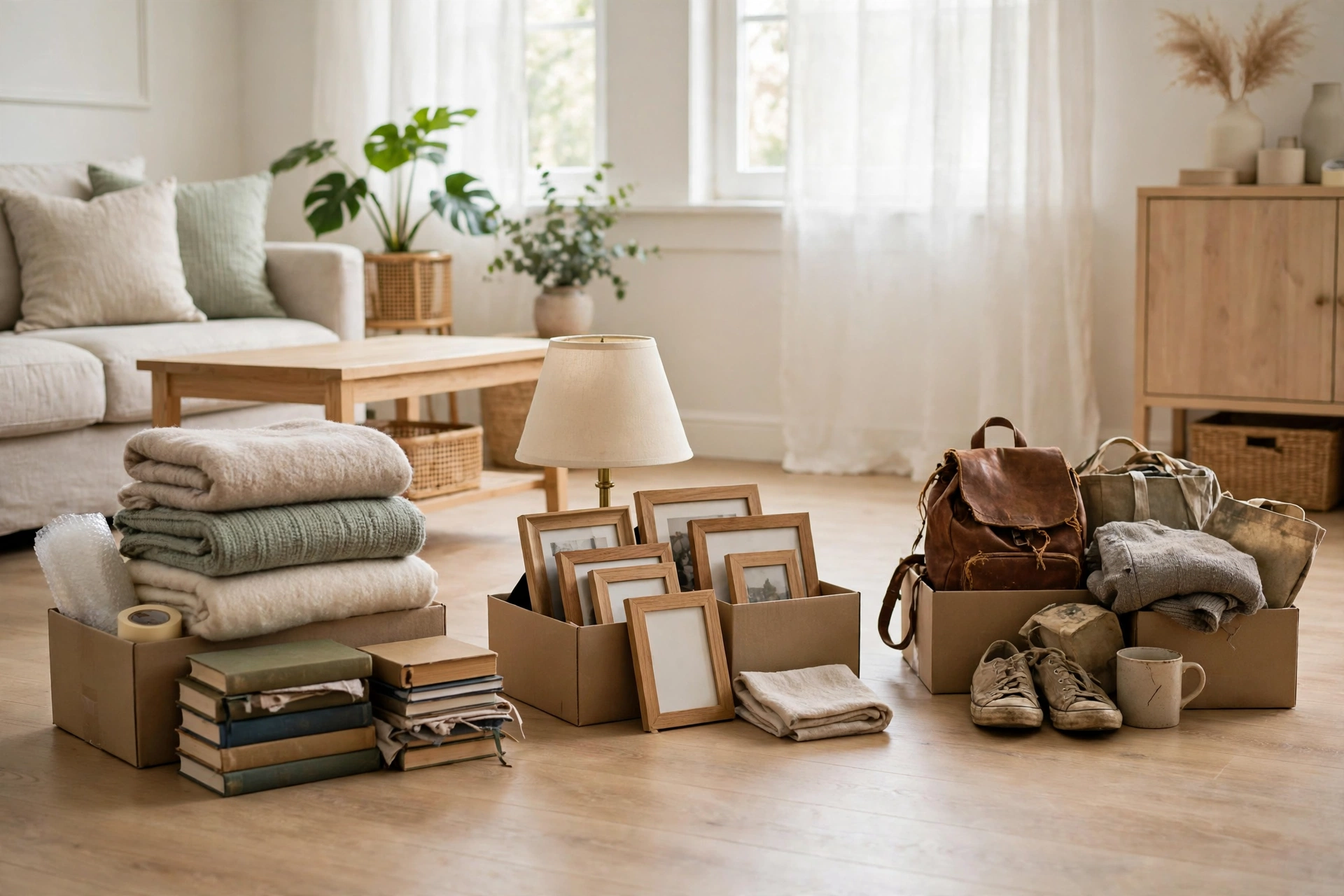
When my parents moved from the house they had lived in for thirty years to a small flat across town, I expected tears and arguments about every teacup. What actually happened was quieter. The hard part was never letting things go. It was deciding, over and over, for hundreds of ordinary objects. Downsizing is not really about throwing things away. It is about deciding what earns its space in the next home, and letting the rest of the decisions get easier as you go.
Whether you are moving yourself or helping a parent move, the method below is the one that worked for us. It is slow on purpose, kind by design, and it starts in the place most people skip: the new home, before you touch a single drawer in the old one.
Start with the new home, not the old one
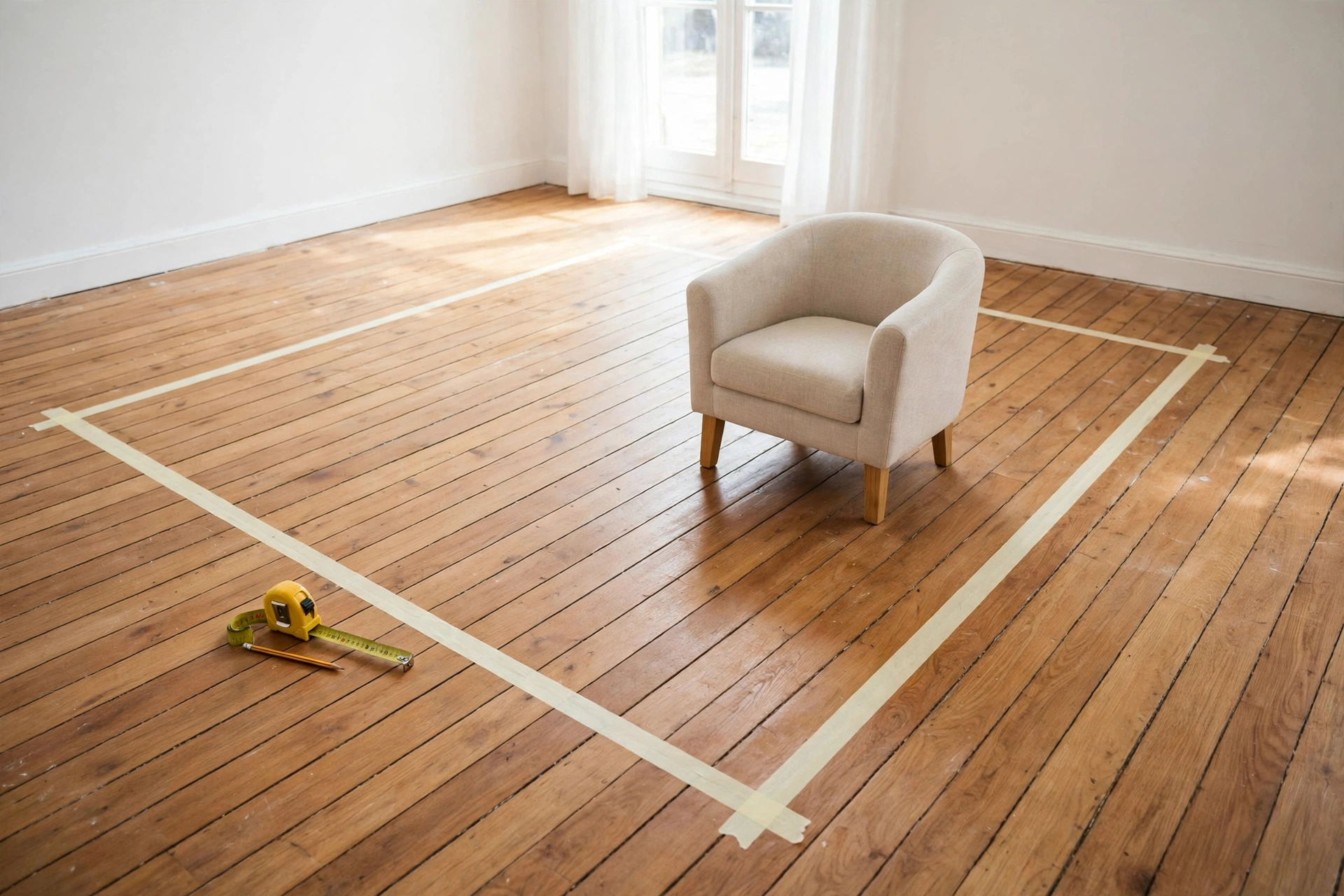
Before you sort anything, go to the new place with a tape measure and a notebook. Measure every room, every doorway, every cupboard, and the lift or stairwell if there is one. Write the numbers down. Then, back in the old house, do the thing that sounds daft and works beautifully: tape the outline of each new room on the floor of the old one, and stand the biggest furniture inside the lines.
This sounds like extra work. It is actually the step that removes half the agony. A sofa that is forty centimetres too long for the new sitting room is not a heartbreaking decision any more, it is a measurement. The tape decides, so nobody has to. You will be surprised how many "but I love it" pieces settle themselves this way, quietly, without a single family discussion. What is left after the tape test is the furniture genuinely worth agonising over, and there is much less of it than you feared.
The three piles, plus one honest fourth
Every room gets sorted into three piles. Keep: it fits the new home, it works, and it will be used or loved there. Gift: family and friends get first refusal on it, because a thing moving to a cousin's kitchen is not a loss, it is a change of address. Let go: it leaves the family, by sale, donation or recycling, and it leaves soon, not after six months of sitting in the hallway.
Then there is the fourth pile, the one nobody admits to and everybody needs: undecided. Put it in a box, seal the box, and write a date on it, three months after moving day. If the box has not been opened by that date, it goes, unopened, to the charity shop. This is not cheating. It is how you keep moving on the days when one particular box of your mother's letters stops you in your tracks. Decide later, in writing, with a deadline your future self agreed to. Almost nobody opens the boxes. The things that truly mattered got missed within the first week and rescued in time, which is exactly how it should work.
Work room by room, in the right order
Order matters more than speed. Start with the least emotional room in the house: the bathroom, the airing cupboard, the spare room full of other people's leftovers. These rooms are full of easy yeses and nos, and they train your decision muscle while the stakes are low. Nobody weeps over a third set of towels.
Work up through the house in that spirit: kitchen next, then bedrooms, then the sitting room. Leave the photographs, the letters and the memory boxes for last, when you have made a thousand small decisions and the big sentimental ones feel strangely manageable. Sorting your lifetime of photos on day one, tired and unpractised, is how people give up by lunchtime. Same house, same boxes, completely different job by week three.
Furniture: keep the best, not the most
A smaller home does not want your furniture collection. It wants a smaller number of better pieces: the most comfortable armchair, not the matching set of three; the solid table that seats four happily, not the extendable one that seats ten once a year. When two pieces do the same job, keep the one in better shape, the one that is kinder to sit in, and the one that fits through the new doorways, which you measured, because you measured everything.
Be honest about scale, too. Big furniture in a small room does not just take space, it takes all the air around it. One generous, comfortable chair and a small side table will make a tiny sitting room feel calm. The same room with a three-seater, two armchairs and a coffee table feels like a storage unit you are allowed to sit in.
The kitchen tells the truth
Kitchens are where duplication goes to hide. Open every cupboard and count honestly: most family kitchens contain two or three of almost everything, bought across decades. A smaller kitchen needs one good pan far more than six tired ones. Keep the pan with the heavy base and the lid that fits. Keep one sharp knife you actually reach for, the mixing bowl that is the right size, the casserole that has cooked a hundred Sundays.
The second set of everything, the spare set, the just-in-case set: in my experience it almost never survives a downsize, and it is rarely missed. Gadgets used once a year can be borrowed, shared with a neighbour, or simply gone without. What earns a place in a small kitchen is what your hands reach for weekly without thinking.
Do not forget the loft, the garage and the shed
Every house has a place where decisions go to be postponed, and it is usually above your head or at the bottom of the garden. Lofts, garages and sheds fill up with the things nobody could quite decide about, which makes them the most honest rooms in the house: years of "not yet" stored in boxes. Tackle them in the middle of the process, not at the end, when the decision muscle is trained but there is still time to act on what you find.
One rule makes these spaces manageable: nothing travels from the loft to the new home unopened. If a box has sat sealed for five years, its contents have already told you how much they are needed. Open it on the drive, sort it into the same three piles, and let most of it go in the same week. Broken tools, dried-up paint tins in colours the old house no longer wears, camping gear from holidays nobody plans to repeat: outbuildings are full of other decades' lives. Keep the good tools and the genuinely used things, and let the shed be the easiest win of the whole move.
Paper, photographs and the sentimental things
Paper shrinks well once you know the rule: the legal handful stays in paper form, and everything else can be scanned. Deeds, certificates, wills, insurance documents, keep those originals in one labelled folder. Bank statements, old bills, manuals for appliances you no longer own: scan what you might need, shred the rest. A phone scanning app handles this perfectly well; you do not need special equipment, just a quiet afternoon and a bin bag for the shredder.
Photographs ask for a gentler version of the same thinking. Keep the best print of each moment rather than all fourteen near-identical ones, and digitise the albums so every grandchild can have the whole set without anyone storing six boxes. A scanned photo loses nothing that matters. The story is in the faces, not the cardboard.
For the truly sentimental things, my rule is this: keep the object that carries the memory, and photograph the rest before they go. The christening gown itself might stay. The box of school reports can become twelve photos on a tablet and still make you cry in exactly the same way. And offer the family pieces to the family first, with a kind deadline: "The sideboard is yours if you would like it, and I need to know by the end of the month, because it has to be gone before the move." A deadline is not cold. It is what stops "nobody wanted it" from being discovered, painfully, on moving day.
The test I use: if this object appeared in the new home tomorrow, would it get a proper place, or would it go straight into a cupboard? Cupboard-bound things have usually already been let go of in your heart. The box just has not caught up yet.
Letting go, without paying for it twice
Once the let-go pile exists, move it out in the right order. Sell the few things genuinely worth selling, and accept that this is a short list: good solid furniture, working appliances, quality tools. Donate the useful middle, the clothes, kitchenware and books that a charity shop can sell tomorrow. Recycle what is left. Book the charity collection early, because a booked van in the diary is a powerful motivator.
And here is the trap to name plainly: do not rent a storage unit for the overflow. A storage unit for furniture that did not fit the new home is a monthly bill for postponing a decision you have already made. Within a year, most people have paid more in rent than the stored things are worth, and the unit is still full. If it did not earn a place in the new home, it has had its answer.
Give it weeks, not a weekend
Every rushed downsize I have seen went the same way: two frantic days, a skip outside, and a low hum of regret for months. This job wants weeks, in short sessions. One room at a time, one cupboard at a time, two or three hours and then stop. Put the kettle on. Look at the finished corner. Let it feel good.
Stop when you are tired, hungry or upset, even mid-drawer. Tired decisions are the ones people undo, or wish they could. A slower pace also gives the gift pile time to work: family needs evenings and weekends to collect things, and charity vans need booking. Slow is not the enemy of this move. Slow is what makes the new flat feel chosen rather than stripped.
Three mistakes I see every time
Deciding room by room without the new-home measurements. Every "will it fit?" debate that could have been settled by a tape measure becomes an argument about taste instead. Measure first, argue never.
Keeping the just-in-case duplicates. Two spare duvets, a third casserole, the backup iron. Just in case of what, exactly, in a home half the size? Each duplicate kept is a cupboard in the new place spent before you arrive.
Letting the move run in reverse. Adult children quietly storing their own boxes in the new spare room, or leaving their childhood things behind for the smaller home to absorb. It comes from love and convenience, but their things must go home with them. The new home has room for the person moving into it, and nobody else's attic.
Questions I get asked about downsizing
How far ahead of the move should I start?
Earlier than feels necessary. Two to three months of short, calm sessions beats two frantic weekends every time. If the move date is already fixed and close, shrink the plan instead of speeding up: sort the furniture and the everyday rooms first, and let the memory boxes travel sealed, to be sorted in the new home once you have settled.
What do I do with the things nobody in the family wants?
Let them go kindly and quickly. Charity shops, community furniture projects and local freecycle groups take most sound furniture and household goods, and a house clearance service handles the rest for a fee. An object does not need to stay in the family to have been worth owning. It did its job for thirty years; that was the job.
What if I regret letting something go?
It happens, and it passes faster than people fear. In my experience the regret is almost always brief and general, a pang rather than a particular object. The dated undecided box protects you here: it holds the things you were unsure about for three full months after the move, which is long enough for real regret, if it is coming, to show up and knock.
How do I help a parent downsize without taking over?
Their house, their decisions, your tape measure and your van. Offer structure, not verdicts: bring the boxes, run the piles, book the collections, and let them be the one who says keep or go. The moment it feels like a clearance, dignity leaves the room and the whole job gets harder. Go at their pace, even when their pace is not yours.
Done kindly and slowly, downsizing is not a loss. It is an edit, the same kind you would make in a paragraph: keep the sentences that carry the story, let the rest go, and end up with something clearer and lighter than what you started with. Tell me in the comments which room you would start with. My money is on the airing cupboard, and I would love to be proved wrong.
Lisa Ben
Lisa paints, builds, thrifts and rearranges her way through one very patient house, then writes down everything she learns here on Wazala. White paint is her favourite argument. New projects land every Tuesday, Thursday and Saturday, and the Sunday Letter rounds them up once a week.
You might also like

Small Closet, Sorted: The Two-Hour Edit
The closet version of the same edit: out, sort, and only the keepers go back in.
Read more →
A Small Balcony Makeover On A Shoestring Budget
Proof that a few square metres, chosen well, beat a big space filled carelessly.
Read more →
Small Living Room Layouts: 6 Arrangements For Tight Spaces
Six ways to arrange the room you kept, once the furniture edit is done.
Read more →