The 12 Best White Paint Colours For Every Light Direction
 By Lisa Ben
·
October 27, 2026
·
9 min read
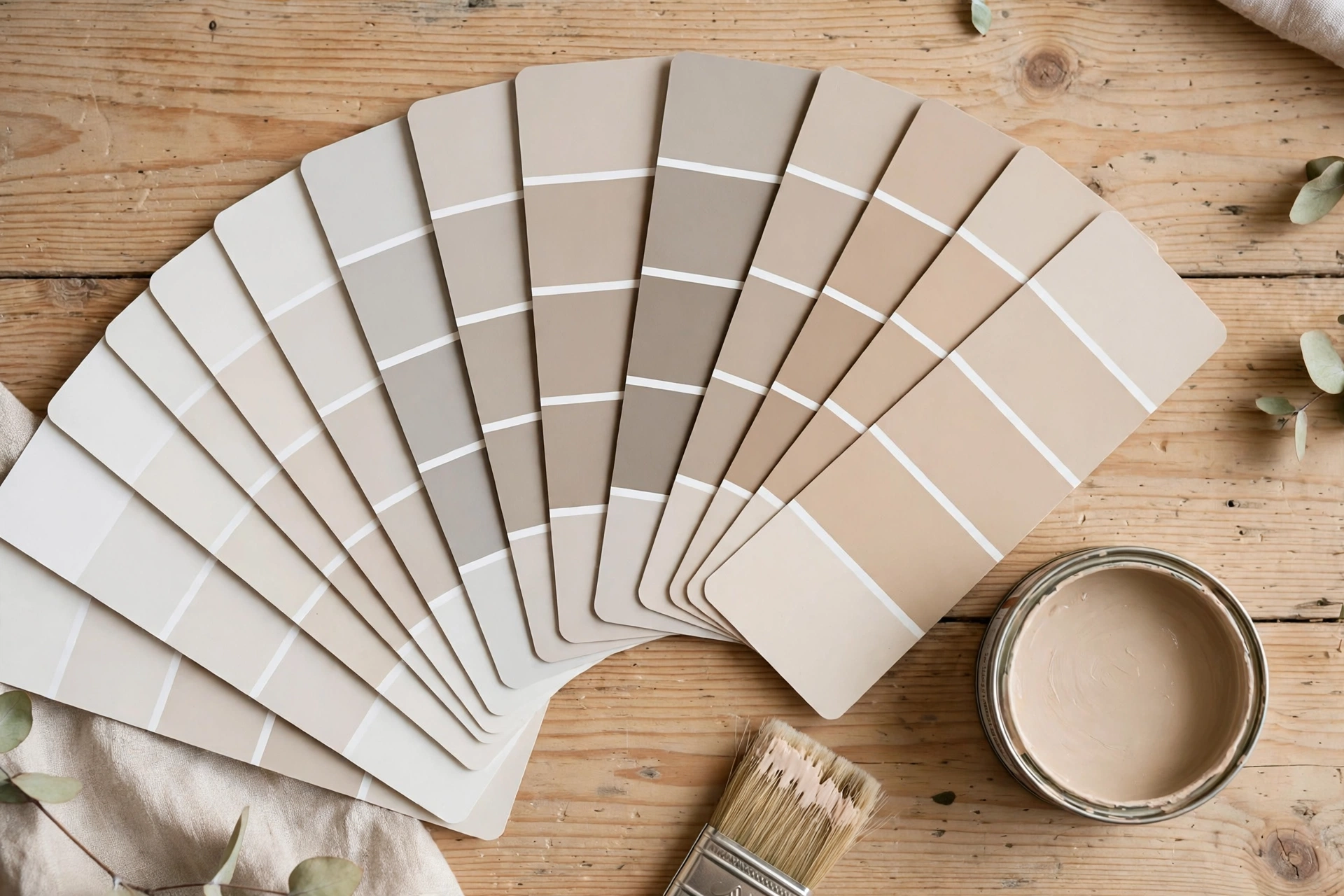
If you have ever painted a room white and watched it turn grey, pink or a sad shade of custard, you are in good company. I have done it twice. White is the hardest colour to get right, which sounds ridiculous until you stand in the paint aisle staring at ninety swatches that all look identical under the shop lights.
Here is what nobody tells you at the counter: there is no single best white, only the best white for the light in your room. A shade that glows in a sunny kitchen can look flat in a bedroom facing the wrong way. So I have sorted my twelve most-used whites by window direction. Find your light first, then pick from its group.
The one rule that decides everything
Sunlight changes colour as it moves. North light is cool and bluish all day, and pulls the grey out of any paint. South light is warm and golden, and makes everything look more yellow. East light is bright in the morning and cool by afternoon; west light does the opposite, ending the day almost orange. The trick is to push back: cool light needs a warm white, warm light can handle a cooler one. That idea explains every pick below.
North-facing rooms: warm the white up
North-facing rooms get steady, cool light and no direct sun. Crisp whites turn icy in here, sometimes even blue. You want whites with a warm, slightly creamy base to cancel the chill.
Benjamin Moore Swiss Coffee OC-45
The warm hug of the list. Its soft beige-yellow undertone makes a north-facing room feel sunny when it is not, and it is lovely in living rooms and bedrooms. Skip it next to bright white tiles or worktops, where it will read as dirty by comparison.
Sherwin-Williams Westhighland White SW 7566
Creamy without tipping into yellow, which is a harder balance than it sounds. It warms cool light gently and keeps walls looking clean. With warm wood floors it can lean a touch peach under warm bulbs at night, so test it after dark as well as at noon.
Farrow & Ball Wimborne White No. 239
Only just off white, with a whisper of warm yellow in it. It suits older houses and period trim, where a stark modern white feels wrong. It fails in rooms that already run warm, where the whisper turns into definite cream.
South-facing rooms: cool it down a touch
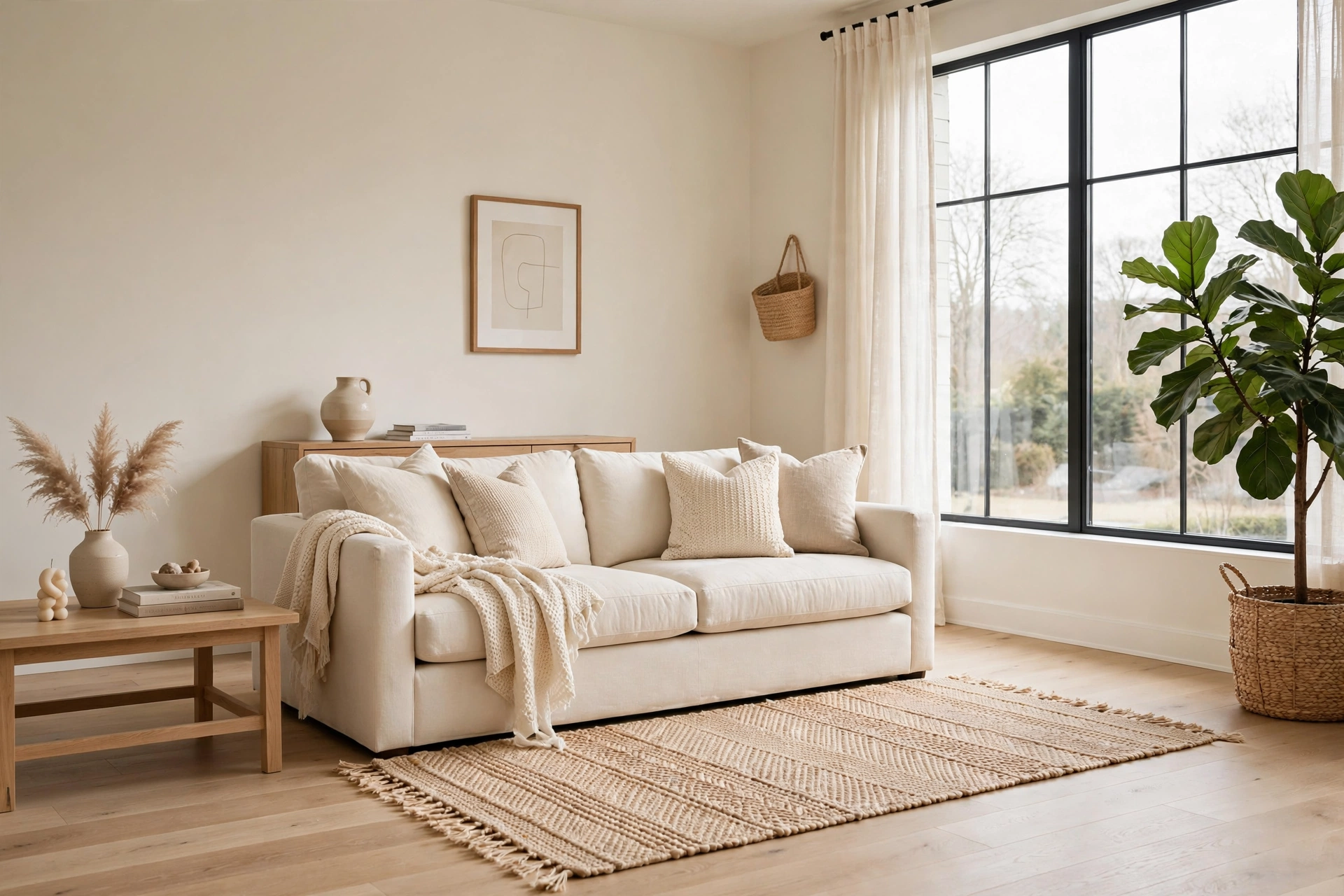
South-facing rooms are flooded with warm light all day, and that light is forgiving. Most whites behave here. Your job is to stop warm whites from going too yellow, so slightly cooler, brighter shades shine.
Benjamin Moore Chantilly Lace OC-65
One of the brightest, cleanest whites you can buy, with the faintest cool undertone. In strong southern sun it looks fresh and makes a brilliant backdrop for art. Put it in a north-facing room and that crispness turns cold and flat. It needs sun.
Sherwin-Williams Extra White SW 7006
A bright, slightly cool white that painters reach for on trim, ceilings and modern kitchens. In a sunny room it looks clean and sharp. The warning: its cool base can flash a little blue beside warm stone or honey-coloured wood, so swatch it against your fixed finishes.
Farrow & Ball All White No. 2005
Exactly what the name says: a bright white with no extra coloured pigment muddying it. It feels soft rather than stark, which surprises people, and pairs well with strong colours. In dull light it can look plain, so save it for rooms with decent sun.
East and west-facing rooms: go balanced
These rooms change personality during the day, warm at one end and cool at the other. A balanced white, neither strongly warm nor strongly cool, rides out both moods without a fight.
Benjamin Moore White Dove OC-17
If I could only keep one white, it would be White Dove. Its soft warm-grey base keeps it gentle in morning light and stops it going icy later, and it works in hallways, open-plan spaces and whole-house schemes. Its one weakness is very dark rooms, where the grey can look a little muddy.
Sherwin-Williams Alabaster SW 7008
A warm, creamy off-white that feels calm in changing light, and a favourite for bedrooms because it never looks stark. In a west-facing room at sunset it can glow almost peach for an hour. Most people love that. If you do not, White Dove is your safer twin.
Benjamin Moore Simply White OC-117
Bright and warm at once, with a yellow undertone that keeps it cheerful in flat afternoon light. It is the white I suggest for family kitchens. On south-facing walls at midday it can push a bit yellow, which is why it sits on the east and west list instead.
Low-light rooms and hallways: brightness wins
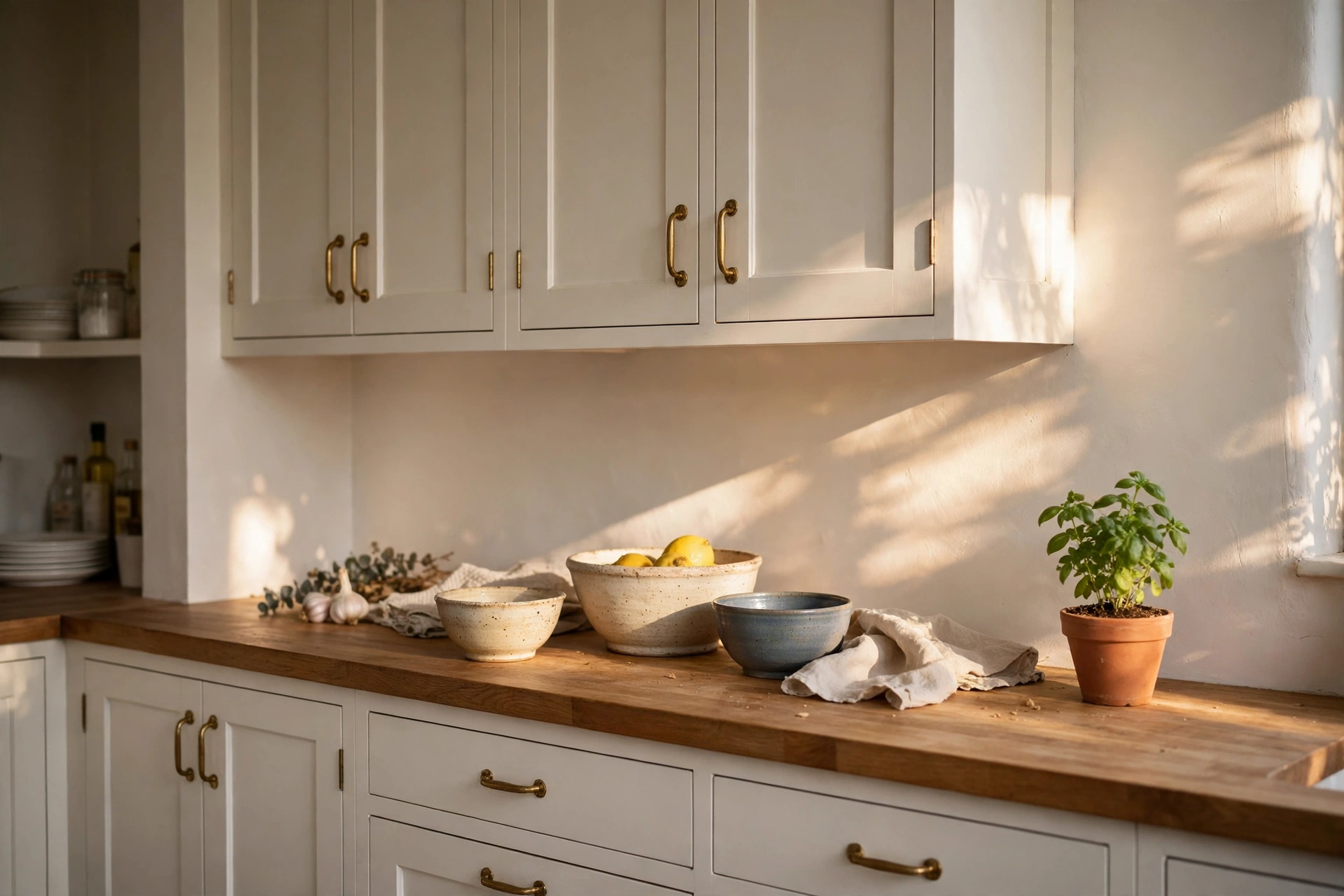
Rooms with tiny windows, and most hallways, need all the light bounce they can get. That means higher brightness and a neutral base, because warm undertones turn murky when there is not enough light to feed them.
Sherwin-Williams Pure White SW 7005
The neutral all-rounder: bright and clean, with the smallest hint of warmth so it never looks clinical. It is my default for hallways and a safe trim colour almost anywhere. It is not exciting, and that is the point. In low light, exciting whites are usually the ones that go wrong.
Farrow & Ball Strong White No. 2001
A cool grey undertone that reads modern and architectural. In a dim room it holds its shape better than creamy whites, which tend to collapse into beige. It suits newer homes and grey or black accents. Beside warm oak it can feel a bit stern, so check it against your floors.
Behr Ultra Pure White
The brightest white on the list, sold as a clean base white, and it squeezes every drop of light out of a dark corner or windowless bathroom. All over a living room it can feel stark and slightly blue. My favourite use is ceilings in low rooms, where the extra brightness genuinely lifts the space.
All twelve at a glance
| Colour | Code | Undertone | Best for |
|---|---|---|---|
| BM Swiss Coffee | OC-45 | Warm beige-yellow | North-facing living rooms |
| SW Westhighland White | SW 7566 | Warm cream | North-facing bedrooms |
| F&B Wimborne White | No. 239 | Soft warm yellow | Older homes, north light |
| BM Chantilly Lace | OC-65 | Crisp, faintly cool | Sunny south-facing rooms |
| SW Extra White | SW 7006 | Cool blue-grey hint | Trim, ceilings, modern kitchens |
| F&B All White | No. 2005 | Clean, near neutral | Bright rooms, bold colour partners |
| BM White Dove | OC-17 | Warm grey (greige) | East/west rooms, whole-house |
| SW Alabaster | SW 7008 | Warm cream | Bedrooms, changing light |
| BM Simply White | OC-117 | Warm yellow | Family kitchens, east/west light |
| SW Pure White | SW 7005 | Neutral, barely warm | Hallways, low light, trim |
| F&B Strong White | No. 2001 | Cool grey | Modern rooms, dim spaces |
| Behr Ultra Pure White | Base white | Bright, faintly cool | Ceilings, windowless bathrooms |
How to test swatches so they do not lie to you
Every disaster story starts the same way: a tiny swatch card, held up for ten seconds in the shop. Paint sample pots onto big pieces of lining paper or foam board instead, at least the size of a pillow. Tape the board up, move it around the room, and look at it morning, noon and after dark under your normal lamps. White changes more between breakfast and bedtime than any other colour.
Test against the things that are not changing: floor, sofa, worktop, tiles. A white is only wrong in company. Paint two coats on the board, too, because the first always looks weaker and pinker than the finish you will live with. Give it two days before buying the big tin. It feels slow. It is still faster than repainting.
My shortcut: narrow it to three boards, one warm, one neutral, one cool from the right group above. Live with all three for a weekend. One of them will quietly annoy you by Sunday night, and that is your answer.
Questions I get asked about white paint
Should walls, trim and ceiling all be the same white?
They can be, and in small rooms it looks calm and bigger. My usual setup is the room's white on the walls, then the same colour in a different finish on trim, eggshell on walls and satin on woodwork. A brighter white like Pure White on the ceiling also works well in low rooms.
Why does my white paint look pink?
Usually it is not the paint. Warm evening light, red-toned floors and even a brick wall outside the window can bounce a pink cast onto a neutral white. Check at midday with curtains fully open before blaming the tin. Still pink at noon? The undertone is clashing with something fixed in the room.
Which white is best for a whole house?
White Dove, if your home mixes light directions, which most homes do. It survives warm and cool rooms without a fight. If every room faces north, go one step warmer: Swiss Coffee on the main walls, White Dove on the trim.
Do I need a different white for the kitchen?
Only if the cabinets are white too. Cabinet white beside wall white is where clashes happen, because one always makes the other look grubby. Pick the cabinet colour first, then choose a wall white one step warmer or cooler, so the two read as a deliberate pair.
Pick your light first, your white second, and test it like you mean it. White stops being the hardest colour in the shop. Tell me in the comments which way your trickiest room faces, and I will point you at the two boards I would test first.
Lisa Ben
Lisa paints, builds, thrifts and rearranges her way through one very patient house, then writes down everything she learns here on Wazala. White paint is her favourite argument. New projects land every Tuesday, Thursday and Saturday, and the Sunday Letter rounds them up once a week.
You might also like
How To Paint Kitchen Cabinets And Have The Finish Last
The full cabinet process: degreasing, priming, and the drying times nobody tells you.
Read more →
The 9 Best Greige Paint Colours, With Undertones Explained
Grey meets beige: the in-between colours that work in almost any light.
Read more →
How To Paint Your Front Door (And Pick The Colour)
Prep, the finish that survives weather, and testing a bold colour first.
Read more →